Navratri Shining Stars: India’s Timeless Festive Game of Unity & Devotion
A comprehensive exploration of the traditional Indian game that weaves together Navratri’s spiritual essence, community bonding, and joyful competition—from its ancient roots to modern digital adaptations
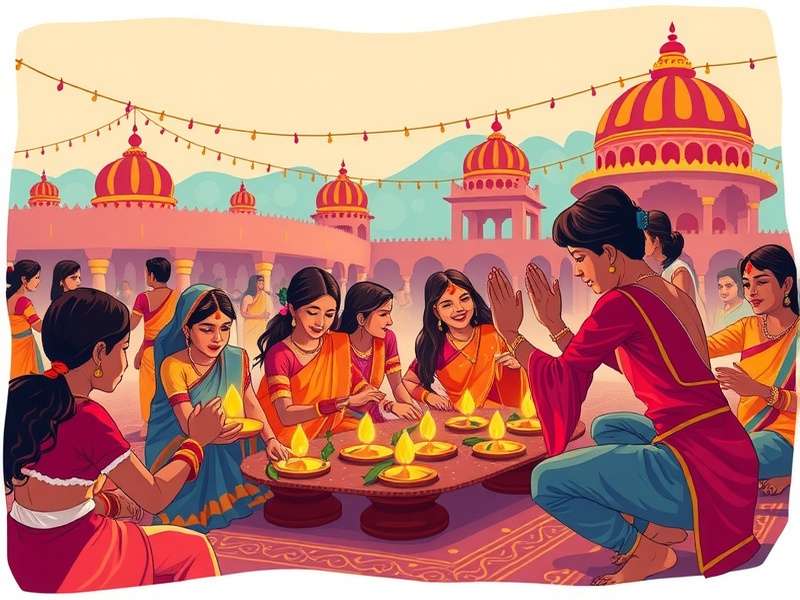
As the nights of Navratri descend upon India, the air resonates with the rhythmic clashing of dandiya sticks, the melodious chants of “Jai Maa Durga,” and the sweet aroma of ghee-laden laddoos and jasmine garlands. For millions of Indians, this nine-day festival is more than a religious observance—it’s a celebration of life, community, and the triumph of good over evil. Amidst the grand puja ceremonies, energetic garba dances, and elaborate feasts, there exists a beloved tradition that has stood the test of time: Navratri Shining Stars. This age-old game is not merely a source of entertainment; it is a cultural institution that bridges generations, reinforces communal ties, and embodies the very spirit of Navratri.
Navratri Shining Stars, known by regional monikers such as “Navratri Jyoti Utsav” in Gujarat, “Durga Tara Khel” in West Bengal, and “Amba Vilakku Mania” in Tamil Nadu, is a team-based festive game that blends treasure hunting, cultural challenges, and devotional rituals. Played in pandals, community grounds, temple courtyards, and even family homes, it brings together people of all ages—from hyperactive children eager to chase tokens to elderly folks reminiscing about their own childhood Navratri celebrations. What sets this game apart is its seamless integration of fun and tradition; every aspect of Navratri Shining Stars, from the “shining tokens” that symbolize Maa Durga’s blessings to the challenges rooted in Hindu mythology, serves to deepen participants’ connection to the festival’s core values.
At its core, Navratri Shining Stars revolves around the collection of “shining tokens”—colorful, intricately decorated objects crafted from materials like clay, wood, metal, or even paper, adorned with glitter, sequins, kumkum, and fresh flowers. These tokens are hidden across the game area, and teams compete to find them by completing a series of challenges that pay homage to Navratri traditions. From arranging intricate rangoli patterns and performing synchronized dandiya dance moves to reciting verses from the Durga Saptashati and solving riddles about Hindu deities, each challenge is designed to be inclusive, engaging, and educational. Unlike many modern games that prioritize individual achievement, Navratri Shining Stars places teamwork and fair play at the forefront, emphasizing that the true victory lies in celebrating together.
What makes Navratri Shining Stars truly remarkable is its adaptability. For centuries, the game has evolved to reflect the changing times and regional cultures, yet it has never lost its essence. In rural India, it remains a simple, low-cost activity that requires nothing more than handmade tokens and a shared love for the festival. In urban centers, it has transformed into elaborate events with professional emcees, sound systems, and themed challenge zones. And in recent years, thanks to innovations by organizations like Daman Games, Navratri Shining Stars has entered the digital age, with mobile apps and online multiplayer modes allowing Indians across the globe to participate in the fun—even if they are miles away from their hometowns and loved ones.
The enduring popularity of Navratri Shining Stars can be attributed to its ability to fulfill multiple roles in the lives of its participants. For children, it is a fun way to learn about Navratri’s traditions, myths, and values without feeling like a lesson. For young adults, it offers a chance to connect with their cultural roots in an increasingly globalized world. For elders, it is a nostalgic reminder of their youth and an opportunity to pass down stories and rituals to the next generation. In a time when festivals are often reduced to commercial events, Navratri Shining Stars remains a pure, heartfelt celebration of community, devotion, and joy.
🎮 Game Type
Festive Folk Game, Team-Based Treasure Hunt, Rhythmic Challenge Game, Cultural Heritage Game, Multiplayer Social Game
👥 Number of Players
6+ Players (Optimal: 10-20 Players Divided into 2-4 Teams of 3-5 Members Each)
📍 Popular Regions
Pan-India (Gujarat, Maharashtra, West Bengal, Tamil Nadu, Uttar Pradesh, Rajasthan, Delhi, Karnataka, Kerala)
🎉 Occasions Played
Navratri Festival (Days 1-9), Garba Nights, Pandal Celebrations, Community Puja Events, Diwali Eve, Cultural Festivals
This comprehensive guide aims to delve into every aspect of Navratri Shining Stars, from its ancient origins in Vedic rituals to its modern digital adaptations. We will explore the game’s rich history, tracing how it has evolved over millennia to become the beloved tradition it is today. We will break down its gameplay mechanics in detail, providing step-by-step instructions for setting up and playing the game in both traditional and digital formats. We will examine the regional variations that make Navratri Shining Stars a reflection of India’s cultural diversity, and we will discuss its profound impact on communities across the country. Additionally, we will explore the game’s deep connection to Navratri, analyzing how it embodies the festival’s spiritual and cultural values. Whether you are a lifelong fan of Navratri Shining Stars, a curious cultural enthusiast, or someone looking to incorporate this game into your next Navratri celebration, this guide offers a wealth of information, insights, and practical tips.
Note: Navratri Shining Stars is more than just a game—it is a cultural heritage that plays a vital role in preserving India’s traditional values. As you read through this guide, keep in mind that the true spirit of the game lies in inclusivity, respect, and joy. Whether you win or lose, the most important thing is to celebrate Navratri with your loved ones and honor the traditions that have been passed down through generations.
📜 History & Origins of Navratri Shining Stars
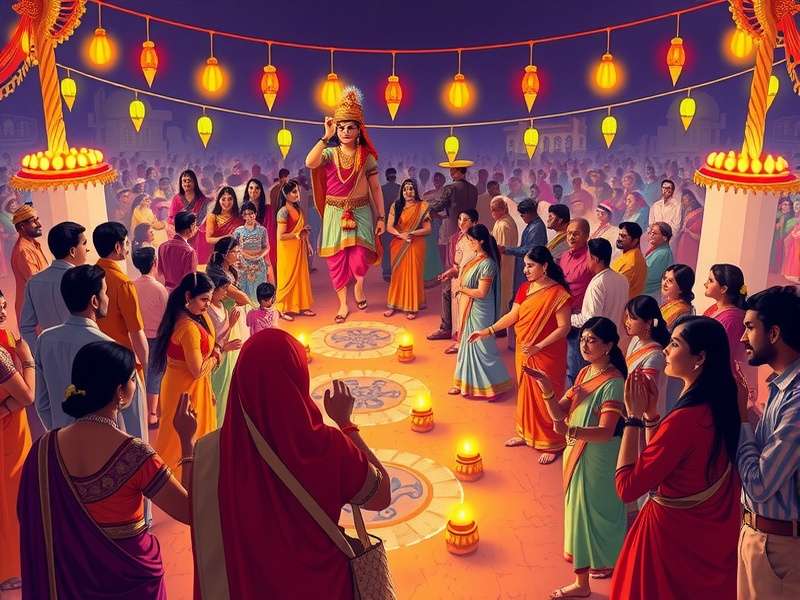
The history of Navratri Shining Stars is deeply intertwined with the history of Navratri itself—a festival that dates back over 5,000 years to the Vedic period. Unlike modern games with well-documented origins and founding dates, Navratri Shining Stars is a product of oral tradition, community practice, and cultural evolution. It has been passed down from generation to generation, adapting to changing times while retaining its core essence as a celebration of Navratri’s spiritual and communal values. To understand the origins of Navratri Shining Stars, we must journey through India’s rich history, exploring how the game evolved from simple Vedic rituals to the elaborate, beloved tradition it is today.
Ancient Roots: Vedic Period (1500-500 BCE)
The earliest precursors to Navratri Shining Stars can be traced to the Vedic period, when Navratri was primarily celebrated as a harvest festival dedicated to the trinity of goddesses: Lakshmi (goddess of wealth and prosperity), Saraswati (goddess of knowledge and wisdom), and Durga (goddess of power and courage). During this era, agricultural communities would gather after the harvest to give thanks to the goddesses for a bountiful crop, performing elaborate yajnas (fire rituals), singing devotional hymns, and participating in simple games that symbolized the triumph of light over darkness and good over evil.
One of the most prominent of these ancient games was “Jyoti Utsav” (Festival of Lights), a treasure hunt where participants would search for small earthen lamps (diyas) hidden in fields, forests, or temple grounds. These lamps, which symbolized the light of the goddesses, were believed to bring blessings for prosperity and protection. Finding a lamp was considered a sign of divine favor, and participants would offer the lamps at the feet of the goddesses during the puja ceremony. This game was not merely a form of entertainment; it was a sacred ritual that reinforced the community’s connection to the divine and to each other.
Ancient Vedic texts such as the Rigveda and Yajurveda mention similar games played during harvest festivals, describing how communities would come together to “collect the blessings of the goddesses” through playful challenges. These games often involved collecting flowers, fruits, or sacred herbs, which were then used as offerings in the yajnas. The Ramayana, one of India’s greatest epics, also references a game played by Lord Rama and his brothers during Navratri, where they would gather flowers and leaves to decorate the temple of Maa Durga. This game, known as “Pushpa Samarpana” (Offering of Flowers), was seen as a way to prepare for the battle against Ravana, symbolizing the collection of strength and blessings from the divine.
It is important to note that during the Vedic period, these games were not yet known as Navratri Shining Stars. However, they contained the core elements that would later define the game: treasure hunting, devotional symbolism, and community participation. The emphasis on collecting sacred objects (lamps, flowers, herbs) as a way to connect with the goddesses would evolve over time into the “shining tokens” of modern Navratri Shining Stars.
Medieval Period: Evolution & Regional Adaptation (8th-18th Centuries CE)
The medieval period marked a significant evolution in the history of Navratri Shining Stars. As Hindu kingdoms flourished across India—from the Rajputs in the north to the Cholas in the south and the Guptas in the east—Navratri celebrations became more elaborate and institutionalized. Rulers and nobles patronized the festival, organizing grand events in temple courtyards and royal palaces that included dance, music, feasting, and games. It was during this period that the game began to take on its distinct identity, with regional variations emerging as different communities put their own unique spin on the tradition.
In Gujarat, which is today famous for its vibrant Navratri garba and dandiya celebrations, the game evolved into “Jyoti Dandiya Utsav” (Festival of Lights and Dandiya). Participants would form teams and compete to collect decorated wooden tokens (known as “jyoti patras”) while performing synchronized dandiya dance moves. The tokens were often inscribed with verses from the Durga Saptashati (a sacred text dedicated to Maa Durga) and were believed to carry her blessings. The game was played in temple courtyards, with winning teams receiving prizes such as silk cloth, gold coins, or puja items. What made this version unique was its integration of dandiya dance, which added a rhythmic, energetic element to the treasure hunt.
In West Bengal, where Navratri is celebrated as Durga Puja—a grand ten-day festival honoring Maa Durga’s victory over the demon Mahishasura—the game took on a more devotional tone. Known as “Durga Tara Khel” (Game of Durga’s Stars), it involved teams searching for small idols of Maa Durga and her children (Ganesha, Kartikeya, Lakshmi, Saraswati) hidden around the pandal. The game was accompanied by the chanting of mantras and the playing of traditional instruments like the dhak (a large drum) and shenai (a wind instrument), creating a deeply spiritual atmosphere. Collecting an idol was seen as a way to “invite Maa Durga’s blessings” into one’s life, and teams would offer the idols at the main puja thali after the game.
In the southern states of Tamil Nadu and Kerala, the game was known as “Amba Vilakku Mania” (Game of Amba’s Lamps) and “Saraswati Jyoti Khel” (Game of Saraswati’s Light), respectively. In Tamil Nadu, the tokens were made of flowers, turmeric, and kumkum, and challenges included reciting devotional hymns in Tamil, arranging intricate rangoli patterns, and performing traditional dances like Bharatanatyam. In Kerala, the game was closely associated with Saraswati Puja (celebrated on the ninth day of Navratri), and challenges focused on knowledge and learning—such as solving puzzles based on the Vedas and Upanishads or identifying different types of flowers used in puja ceremonies.
During the medieval period, the game also began to serve a social purpose beyond religious devotion. In many communities, it was used to break down caste barriers, as people from all social backgrounds would come together to play. Rulers often encouraged this inclusivity, seeing the game as a way to foster unity and loyalty among their subjects. The tokens, which were once simple earthen lamps or flowers, became more elaborate during this era, with craftsmen creating intricate designs using gold, silver, and precious stones for royal celebrations.
Colonial Era: Preservation Amidst Adversity (18th-20th Centuries CE)
The colonial period brought significant challenges to India’s cultural traditions, and Navratri Shining Stars was no exception. The British colonial administration viewed traditional Indian festivals and games with suspicion, often dismissing them as “uncivilized” or “superstitious.” In many parts of the country, colonial officials banned public gatherings and festivals, fearing that they could become hotbeds of anti-colonial sentiment. Despite these restrictions, Navratri Shining Stars managed to survive—thanks in large part to the resilience and dedication of Indian communities.
In rural areas, where colonial control was less strict, communities continued to celebrate Navratri and play the game in secret. The game became a symbol of cultural resistance, with its themes of unity, courage, and victory over evil resonating deeply with the independence movement. The “shining tokens” came to represent hope for a free India, and collecting them was seen as a way to “gather strength” for the fight against colonial oppression. In some regions, the tokens were even used to pass secret messages among freedom fighters, with different designs indicating meeting times or locations.
In urban areas, the game adapted to the changing social and cultural landscape. As more Indians moved to cities for work and education, Navratri celebrations became more commercialized, and Navratri Shining Stars evolved into a more organized activity. Community organizations and temples began to host formal tournaments, with standardized rules and prizes. The game also became more inclusive, welcoming people from all religions and backgrounds—including Christians, Muslims, and Sikhs—to participate in the celebrations. This inclusivity was a direct response to colonial attempts to divide Indians along religious lines, and it helped to strengthen communal harmony.
During this period, the game also began to absorb elements of Western culture, reflecting the growing influence of colonialism. For example, some urban tournaments introduced scoreboards and time limits, which were not part of the traditional game. However, these changes were always balanced with respect for the game’s cultural roots; the core elements of treasure hunting, devotional symbolism, and community participation remained intact.
Post-Independence Era: Revival & Popularization (1947-2000s)
India’s independence in 1947 marked a new era for Navratri Shining Stars. With the end of colonial rule, traditional festivals and games were no longer seen as threats but as important symbols of India’s cultural heritage. The government actively promoted Navratri and other festivals as a way to foster national unity and preserve India’s rich cultural diversity. Schools, colleges, and community organizations began to host Navratri events that included Navratri Shining Stars, and the game soon became a staple of Navratri celebrations across the country.
In the 1950s and 1960s, Navratri Shining Stars underwent a period of modernization. The “shining tokens,” which were once handmade from clay, wood, or flowers, began to be mass-produced using plastic, metal, and glass. These tokens were decorated with glitter, paint, and sequins, making them more durable and visually appealing. The challenges also became more varied, incorporating modern elements like quiz competitions, talent shows, and fashion parades featuring traditional attire. However, the game’s core values—devotion to Maa Durga, teamwork, and community bonding—remained unchanged.
The 1980s and 1990s saw the rise of Navratri garba nights in urban areas, and Navratri Shining Stars became an integral part of these events. Pandal organizers began to invest heavily in the game, hiring professional emcees to host the tournaments, setting up elaborate challenge zones with sound systems and lighting, and offering attractive prizes like cash, electronics, and travel vouchers. These events drew large crowds, particularly among young people, who saw Navratri Shining Stars as a fun way to celebrate the festival while staying connected to their cultural roots.
During this period, the game also began to spread beyond India’s borders, as the Indian diaspora in countries like the United States, Canada, the United Kingdom, and Australia sought to preserve their cultural traditions. Navratri Shining Stars became a popular activity at diaspora Navratri celebrations, helping to keep Indian culture alive for second- and third-generation Indians born abroad. In many cases, the diaspora added their own unique twists to the game, incorporating elements of Western culture while retaining its core Indian identity.
1500-500 BCE (Vedic Period)
Earliest precursors to Navratri Shining Stars emerge as Vedic harvest rituals, with "Jyoti Utsav" (Festival of Lights) involving treasure hunts for earthen lamps symbolizing goddess blessings.
8th-18th Centuries CE (Medieval Period)
Game evolves into regional variants like "Jyoti Dandiya Utsav" (Gujarat) and "Durga Tara Khel" (West Bengal), with decorated tokens and festival-themed challenges. Becomes a symbol of community unity.
18th-20th Centuries CE (Colonial Era)
Game is preserved as a symbol of cultural resistance against colonial rule, played in secret by rural communities. Adapts to urban settings with formal tournaments and inclusive participation.
1947-2000s (Post-Independence)
Game is revived and popularized by government and community organizations. Modernizes with mass-produced tokens, elaborate challenges, and integration into urban garba nights.
2000s-2010s (Digital Age)
Game adapts to digital platforms with online versions and social media integration. Gains popularity among the Indian diaspora, becoming a global cultural phenomenon.
2020s-Present (Modern Era)
Daman Games launches official digital adaptation of Navratri Shining Stars, combining traditional gameplay with modern features like 3D graphics and global leaderboards. Game continues to thrive both offline and online.
Modern Era: Digital Transformation & Global Reach (2000s-Present)
The 21st century has brought unprecedented changes to Navratri Shining Stars, driven by the rise of the internet, mobile technology, and social media. While the traditional offline version of the game remains popular in pandals and community grounds across India, a new digital version has emerged, allowing people to play from anywhere in the world. This digital transformation has not only made the game more accessible but has also helped to introduce it to a global audience.
The turning point for the digital adaptation of Navratri Shining Stars came in 2020, during the COVID-19 pandemic. As lockdowns forced the cancellation of in-person Navratri celebrations, communities around the world turned to virtual platforms to keep the festival alive. Organizations and individuals began to host online versions of Navratri Shining Stars via video conferencing tools like Zoom and Google Meet, with players joining from their homes to complete challenges like arranging rangoli patterns on their floors, performing dandiya dances in their living rooms, and reciting devotional hymns into their cameras. These virtual games became a lifeline for many, allowing them to stay connected to their cultural roots and community during a time of isolation.
Recognizing the game’s potential in the digital space, Daman Games—a leading developer of traditional Indian games—launched an official mobile app for Navratri Shining Stars in 2022. The app retains all the core elements of the traditional game, including treasure hunts for shining tokens, Navratri-themed challenges, and team play, but adds modern features like 3D graphics, animated characters, global leaderboards, and in-app rewards. Players can create custom avatars, join teams with friends and family, and compete against other players from around the world. The app also includes an educational component, with trivia questions about Navratri traditions and Hindu mythology that help players learn while they play.
The Daman Games app has been a resounding success, with millions of downloads across India and among the Indian diaspora. It has particularly resonated with young people, who appreciate the combination of traditional gameplay and modern technology. The app has also helped to introduce Navratri Shining Stars to non-Indian audiences, with many non-Hindu players downloading it to learn about Navratri and Indian culture. In 2023, Daman Games hosted the first-ever global Navratri Shining Stars tournament via the app, with players from over 50 countries participating and competing for prizes like trips to India to attend Navratri celebrations.
Today, Navratri Shining Stars exists in two distinct but complementary forms: the traditional offline version that brings communities together during Navratri, and the digital version that allows people to play anytime, anywhere. Both versions share the same core values—devotion to Maa Durga, teamwork, and festive joy—and both play an important role in preserving India’s cultural heritage for future generations. The game’s ability to adapt to the digital age while retaining its traditional essence is a testament to its enduring appeal and cultural significance.
The history of Navratri Shining Stars is more than just the history of a game; it is the history of India itself. It reflects the country’s rich cultural diversity, its ability to adapt to change while staying true to its roots, and its unwavering devotion to the divine feminine. From simple Vedic rituals to global digital tournaments, Navratri Shining Stars has come a long way, but its heart remains the same: to bring people together in celebration of Navratri’s timeless values. As the game continues to evolve and grow, it will undoubtedly remain a beloved tradition for generations to come.
🎯 Gameplay Mechanics: How to Play Navratri Shining Stars
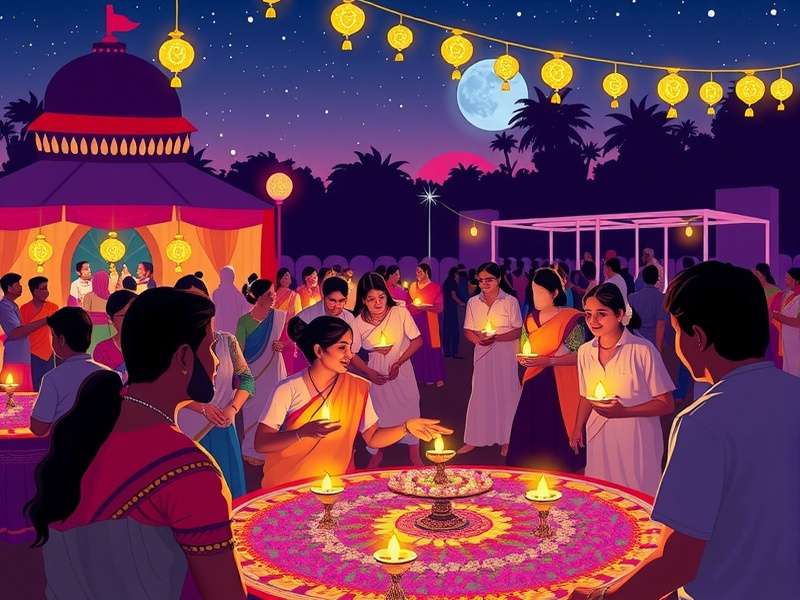
Navratri Shining Stars is a dynamic, team-based game that combines the excitement of treasure hunting with the cultural richness of Navratri traditions. Its gameplay is designed to be inclusive, engaging, and accessible to people of all ages and skill levels, making it the perfect activity for family gatherings, community events, and pandal celebrations. Whether you are playing the traditional offline version or the digital adaptation by Daman Games, the core mechanics of Navratri Shining Stars remain the same: teams compete to collect shining tokens by completing a series of challenges, with the goal of accumulating the most points and winning the game. Below is a comprehensive, step-by-step guide to the gameplay of Navratri Shining Stars, covering everything from preparation and team formation to challenge types and winning strategies.
1. Preparation: Gather Players, Equipment & Set Up the Game
Before you can play Navratri Shining Stars, you need to make a few key preparations. The good news is that the game is relatively easy to set up, and the equipment requirements are minimal—especially for the traditional version. Whether you are playing in a large pandal or a small living room, the preparation process can be adapted to suit your space and resources.
Players: Navratri Shining Stars is a team game, and the number of players can vary depending on your space and preferences. The minimum number of players is 6 (divided into 2 teams of 3), but the optimal number is 10-20 players, divided into 2-4 teams of 3-5 members each. The game is suitable for all ages, from young children (ages 6 and above) to elderly adults, so you can have teams with a mix of age groups. This inclusivity is one of the game’s greatest strengths, as it allows families and communities to play together and bond across generations.
Equipment (Traditional Offline Version):
- Shining Tokens: These are the most important component of the game. Shining tokens are small, decorated objects that symbolize Maa Durga’s blessings